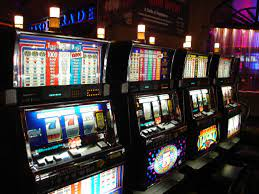
Slot machines are among the SCRplay most popular forms of gambling around the world. Flashing lights, catchy sounds, and the thrill of hitting a jackpot make them incredibly enticing. But behind the entertainment lies a powerful psychological engine designed to keep players spinning—and sometimes stuck. For some, this entertainment can spiral into addiction.
Understanding the psychology behind slot machine addiction reveals how these games are crafted to exploit human behavior, and why they can be particularly dangerous for vulnerable individuals.
What Is Slot Machine Addiction?
Slot machine addiction, often classified under the broader category of gambling addiction or gambling disorder, is a compulsive urge to keep playing slot machines despite harmful consequences. Unlike casual gambling, addiction is characterized by:
Loss of control
Preoccupation with gambling
Chasing losses
Lying about gambling activity
Continued play despite social, financial, or emotional harm
For slot machines specifically, the fast-paced, repetitive nature of play and the near-constant feedback loop make them one of the most addictive forms of gambling.
Variable Rewards and the Power of the “Near Miss”
At the core of slot machine addiction is a psychological concept known as variable ratio reinforcement. This means that rewards are delivered unpredictably. A player may win on the first spin, the 50th, or not at all. This unpredictability is what makes slot machines so compelling—and dangerous.
B.F. Skinner, a behavioral psychologist, famously demonstrated this with pigeons in the 1950s. He found that when rewards (like food pellets) were given at random intervals, the pigeons would press a lever obsessively, never knowing when the reward would come. Humans respond the same way, and slot machines have perfected this system.
Another key psychological trick is the “near miss”—when symbols on the reels align closely to a winning combination but fall just short. A near miss triggers brain activity similar to an actual win, creating excitement and motivating continued play. Even though the player didn’t win, the brain interprets it as progress or being “close,” reinforcing the behavior.
The Role of Sound, Lights, and Design
Slot machines are carefully designed to stimulate the senses. Bright lights, spinning reels, and celebratory sounds all work together to create a sensory-rich environment that keeps players engaged. These stimuli create a form of sensory feedback that gives players the illusion of winning—even when they lose.
For example, many slot machines use “losses disguised as wins” (LDWs). This happens when a player wagers more than they win back, but the machine still produces celebratory visuals and sounds. Although the player is losing money, the machine reacts as if they’ve won, reinforcing play.
Animations, soundtracks, and immersive themes (from ancient Egypt to space adventures) also create a form of “transportation,” pulling players into a different reality where time and money seem less important.
The Zone: Escapism and Dissociation
Many problem gamblers describe entering “the zone” while playing slot machines—a mental state in which time, worries, and even physical sensations seem to fade away. This is a form of dissociation, where players detach from reality, often using slot machines as a coping mechanism to escape stress, depression, loneliness, or trauma.
Slot machines become more than just games—they become emotional crutches. For some players, the game provides temporary relief from real-life problems. The soothing repetition of pressing a button and watching the reels spin can have a calming, almost meditative effect, despite the financial risks.
Illusion of Control and Superstition
Despite being entirely random, slot machines give players the illusion of control. Features like “stop buttons” or choosing how many paylines to bet on make it feel as if the player can influence the outcome, when in reality, outcomes are determined by a random number generator (RNG).
Superstitions also play a role. Players may develop rituals or beliefs—like using a “lucky machine” or always playing at a certain time—that reinforce continued play. These irrational beliefs help sustain the gambling behavior, even in the face of mounting losses.
The Role of Dopamine
Dopamine, a neurotransmitter associated with pleasure and reward, plays a significant role in gambling addiction. Winning on a slot machine floods the brain with dopamine, reinforcing the behavior and creating a powerful feedback loop.
Even near misses or small wins can trigger dopamine release. Over time, the brain becomes conditioned to seek this dopamine hit, making it harder to stop. For some individuals, this process mirrors the neurological patterns seen in substance addiction.
Vulnerable Populations
While anyone can develop a gambling problem, certain individuals are more vulnerable:
People with a history of mental health issues (e.g., depression, anxiety, trauma)
Those experiencing financial hardship
Individuals with a family history of addiction
The elderly, who may face isolation and limited social stimulation
Accessibility also plays a role. With online slot games now available 24/7, it’s easier than ever for at-risk individuals to fall into compulsive gambling patterns.
Prevention and Treatment
Understanding the psychological mechanisms behind slot machine addiction is key to prevention and treatment. Steps include:
Education: Teaching people how slot machines work and the tricks they use can reduce risky behavior.
Self-exclusion programs: Allow players to ban themselves from casinos or online platforms.
Behavioral therapy: Cognitive Behavioral Therapy (CBT) is one of the most effective treatments for gambling addiction.
Support groups: Organizations like Gamblers Anonymous offer community-based support.
For many, recognizing the signs of addiction is the first step toward recovery.
Conclusion
Slot machines may look like harmless fun, but their design is rooted in powerful psychological principles that can lead to addiction. Variable rewards, sensory overload, and the illusion of control all combine to keep players spinning. By understanding how these mechanisms work, individuals can make more informed decisions—and those at risk can seek the help they need. Gambling should always be a form of entertainment, not a means of escape or a source of harm.
 Site Title
Leave a comment